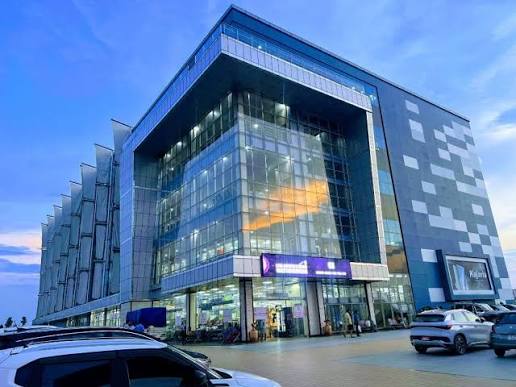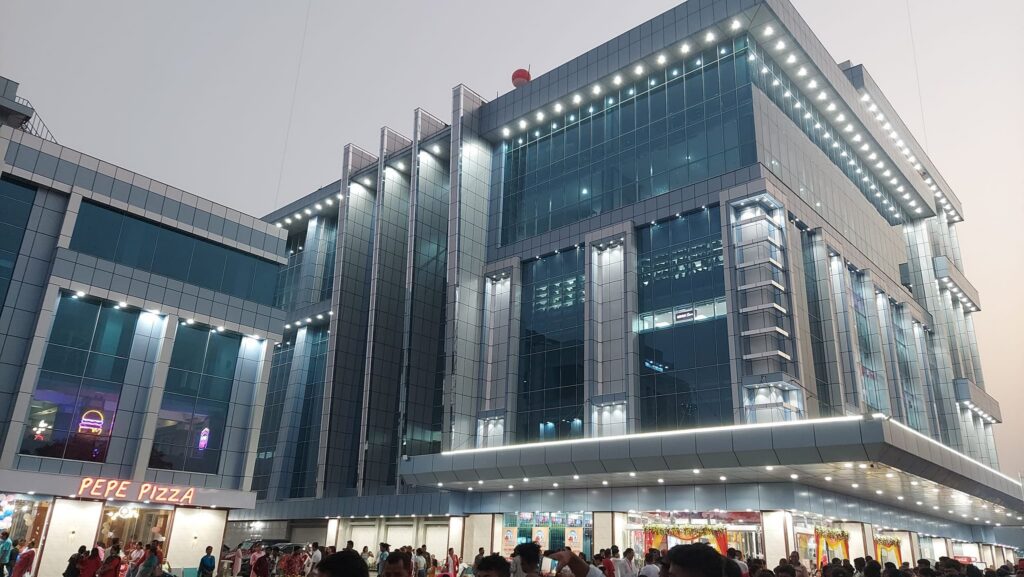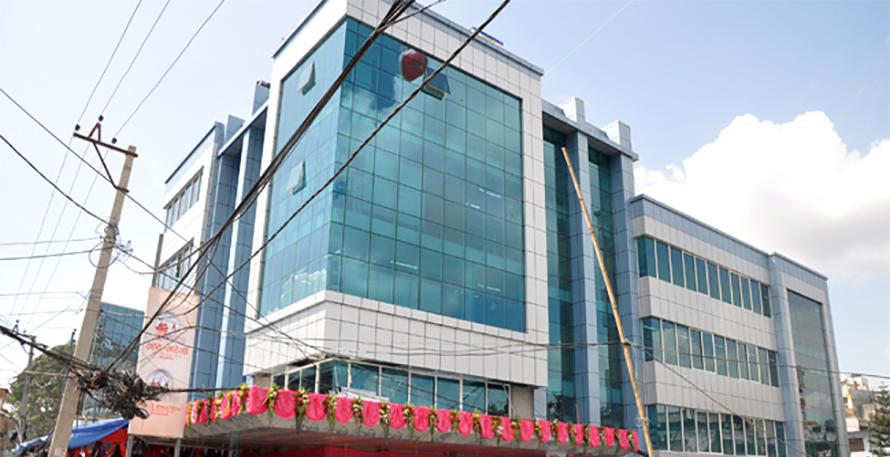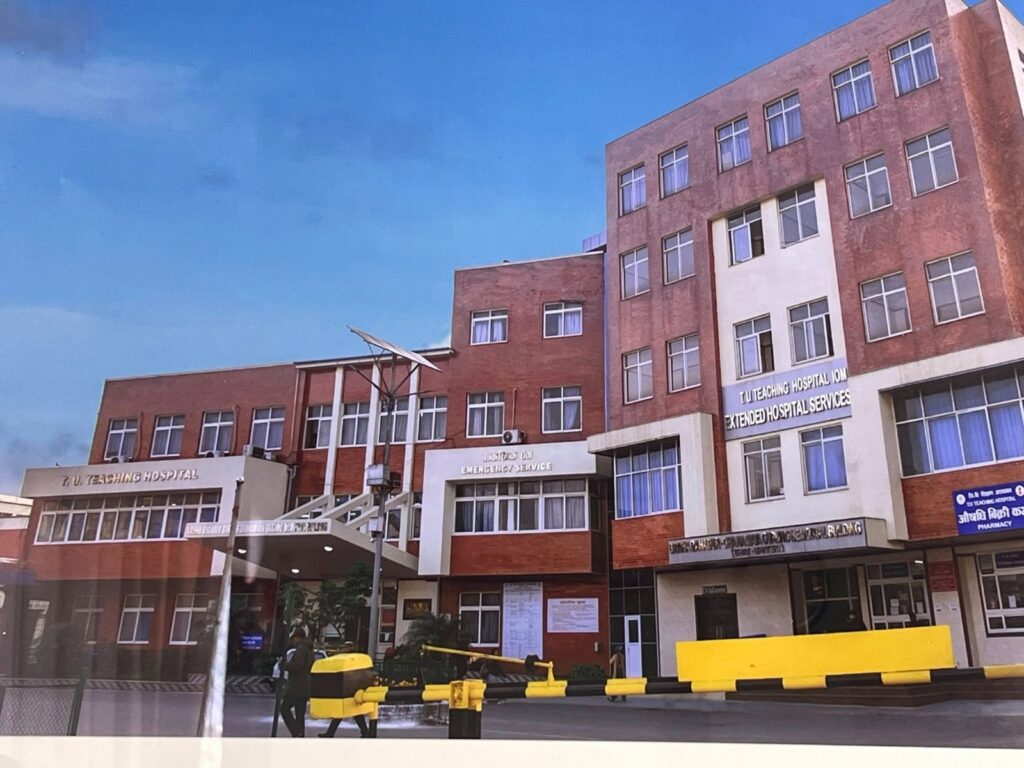
Tribhuvan University Teaching Hospital (TUTH) is one of Nepal’s major public teaching hospitals, located at Maharajgunj, Kathmandu. It was established as the first medical college hospital of Nepal with 301 beds and later expanded to around 700 beds with advanced medical units, a separate emergency building, pediatric building, ENT building, and orthopedic building.
Archives: Projects
Construction and infrastructure projects supplied by Kathmandu Steel across Nepal.
Kathmandu Institute of Child Health
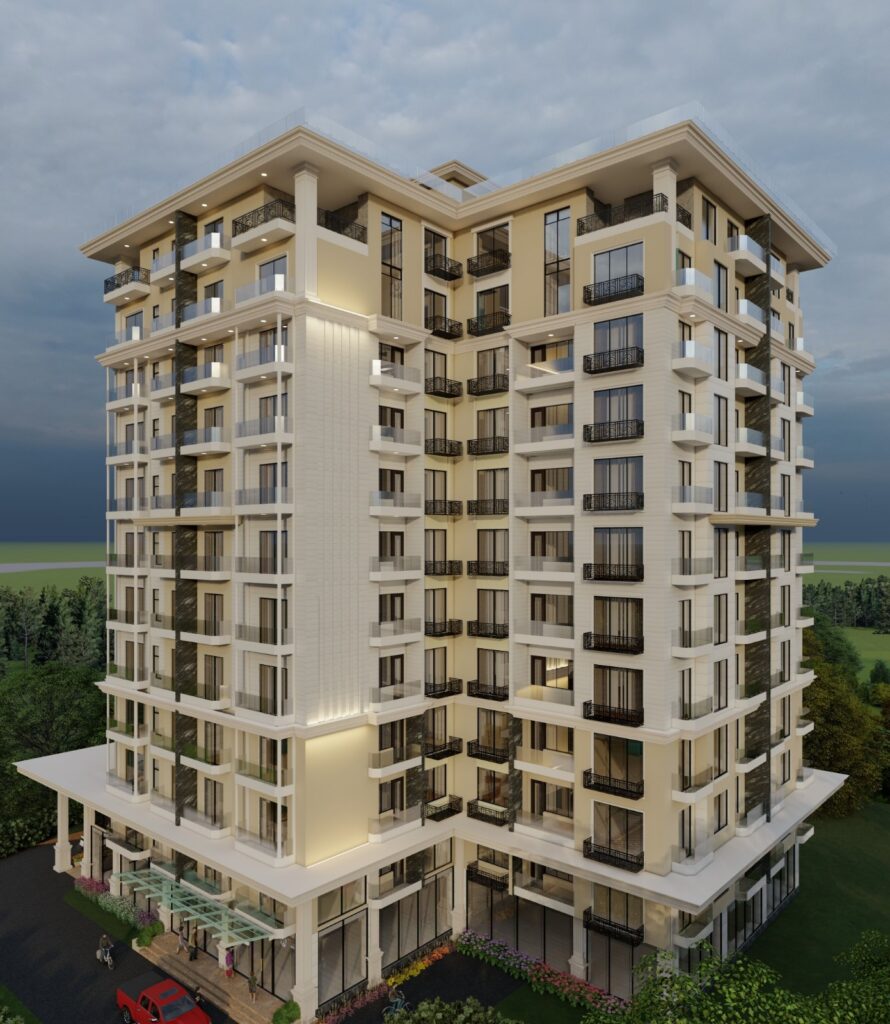
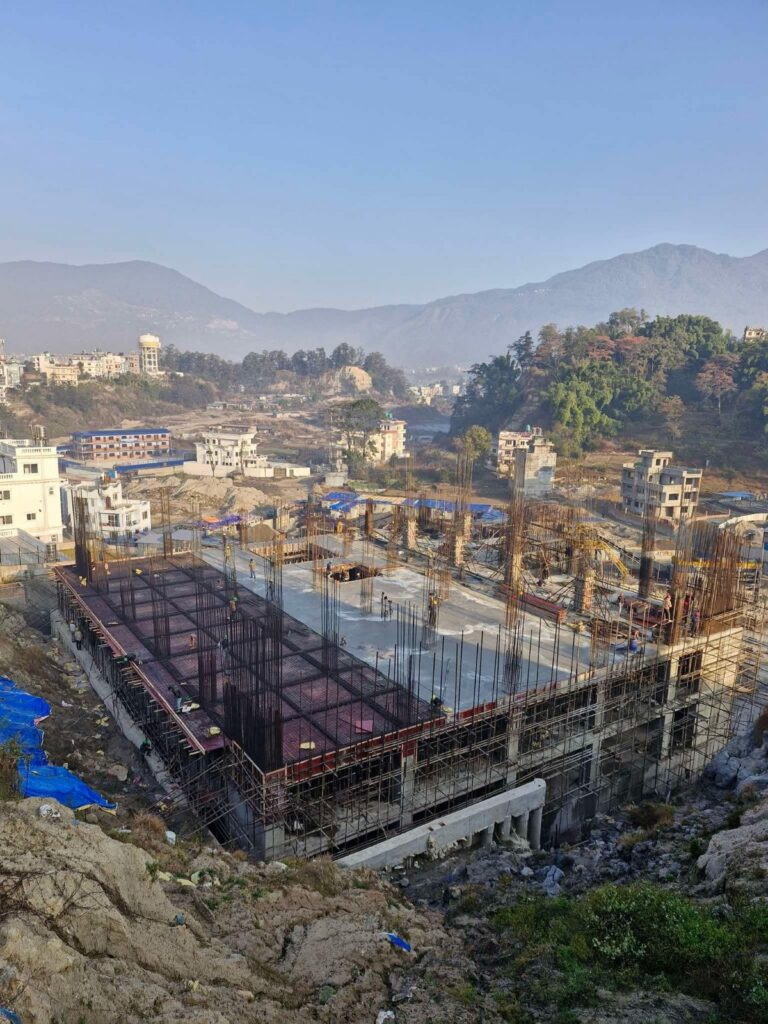
The Kathmandu Institute of Child Health (KIOCH) is a not-for-profit health institution established in 2017 to improve child healthcare in Nepal. Its main hospital, KIOCH – Kathmandu Children’s Hospital, is located at Budhanilkantha Municipality–7, Hepali Heights, Kathmandu. The organization aims to build a comprehensive multispecialty children’s hospital focused on services such as pediatric cardiology, oncology, mental health, emergency care, critical care, and trauma services.

Upper Tamakoshi Hydropower Project
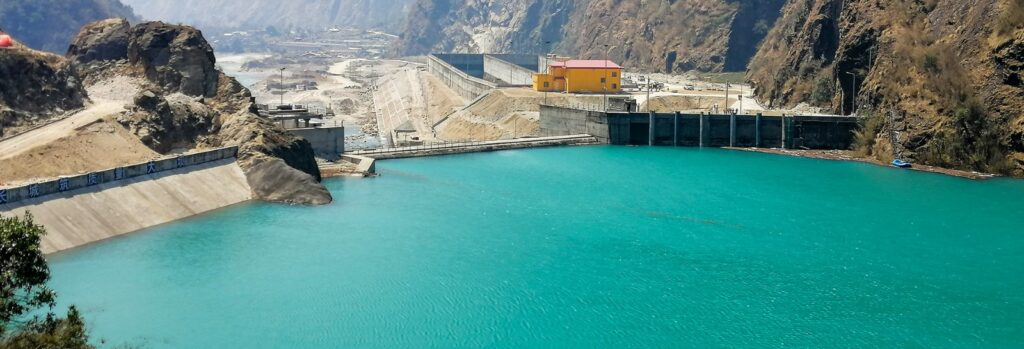
The Upper Tamakoshi Hydropower Project is Nepal’s largest operating hydropower project, with an installed capacity of 456 MW. It is located on the Tamakoshi River in Dolakha District and is developed by Upper Tamakoshi Hydropower Limited, a company established by Nepal Electricity Authority as the executing agency. The project is important because it was financed mainly through domestic Nepali institutions and investors.
Rudi Khola Hydropower Project
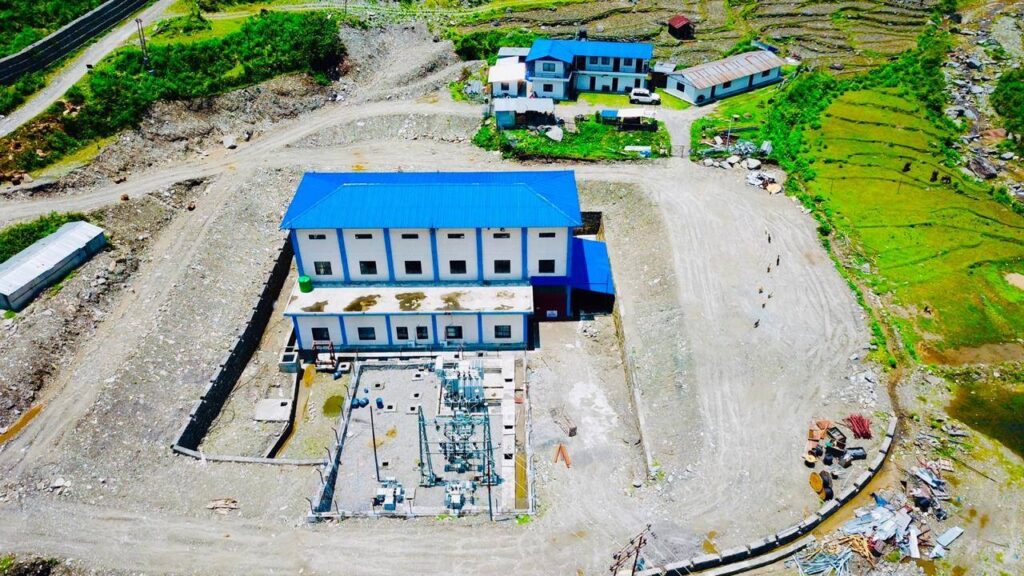
The Rudi Khola Hydropower Project generally refers to the cascade development of Rudi Khola-A and Rudi Khola-B on Rudi Khola, near the Kaski–Lamjung border. Together, the two projects have an installed capacity of about 15.4 MW and are operated as run-of-river hydropower projects. The electricity generated is supplied to Nepal’s national grid.
Rani Jamara Kulariya Irrigation Project
The Rani Jamara Kulariya Irrigation Project is one of Nepal’s major irrigation projects located in Kailali District. It modernizes and integrates the traditional farmer-managed irrigation systems known as Rani, Jamara, and Kulariya canals. The system receives water from the Karnali River through an intake at Chisapani. It is considered one of the largest farmer-managed irrigation systems in Nepal and was included as a National Pride Project with the aim of developing irrigation infrastructure for about 20,300 hectares of agricultural land.
Nilgiri Hydropower Project
The Nilgiri Khola Hydropower Project is a run-of-river hydropower project located at Narchyang, Myagdi. It uses water from Nilgiri Khola, a river system in the Annapurna/Nilgiri area, to generate electricity. The project is developed by Nilgiri Khola Hydropower Company Limited. Public project records list Nilgiri Khola at 38 MW and Nilgiri Khola-II Cascade at 71 MW, giving a combined installed capacity of 109 MW.
Mistri Khola Hydropower Project
The Mistri Khola Hydropower Project is a 42 MW run-of-river hydropower project located in Myagdi District. It uses the flow of Mistri Khola, a major tributary of the Kali Gandaki River, to generate electricity. The project has three 14 MW units, with a design discharge of about 17.1 m³/sec and a net head of about 285 m.
Marsyangdhi Sub Station Project
The Marsyangdi Hydropower Project is one of Nepal’s major older hydropower plants. It uses the flow of the Marsyangdi River to generate electricity at Aanbukhaireni, Tanahu. The project is owned and operated by Nepal Electricity Authority and has an installed capacity of 69 MW. It was commissioned in 1989 AD and continues to contribute power to Nepal’s national grid.
Mahakali Irrigation Project
The Mahakali Irrigation Project is a large-scale irrigation scheme in western Nepal designed to utilize water from the Mahakali River. It aims to provide reliable irrigation to agricultural land, enhance food production, and support farmers’ livelihoods. The project plays a key role in improving agricultural productivity and regional water management in Nepal.
Super Trishuli Hydro Project-102 MW